
Early Signs of Autism in Toddlers: What Parents Should Watch For?
Worried your toddler isn't pointing, waving, or responding to their name? Here are the early signs of autism every parent should know — and why acting early, not "waiting and watching", gives your child the best start.
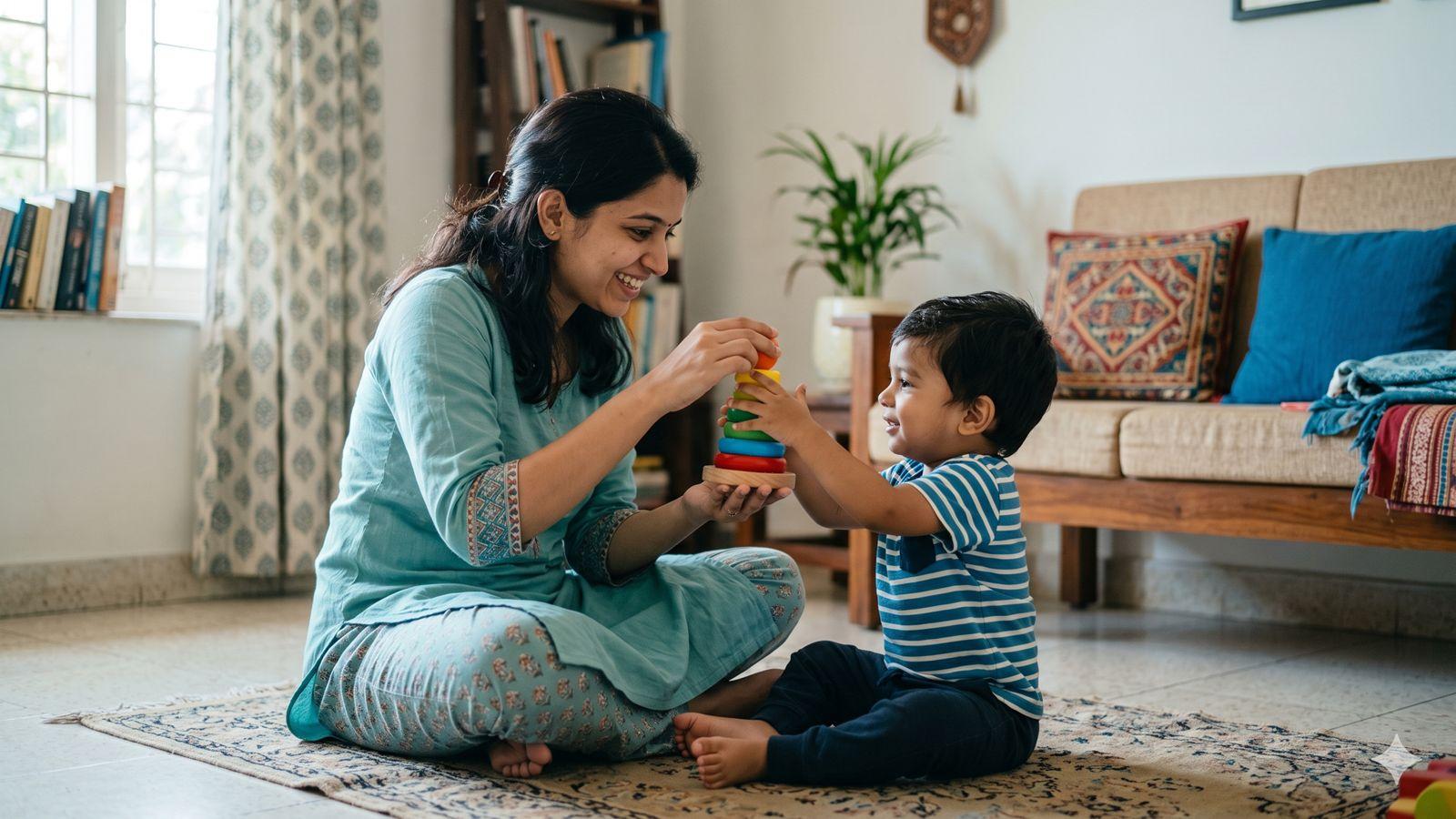
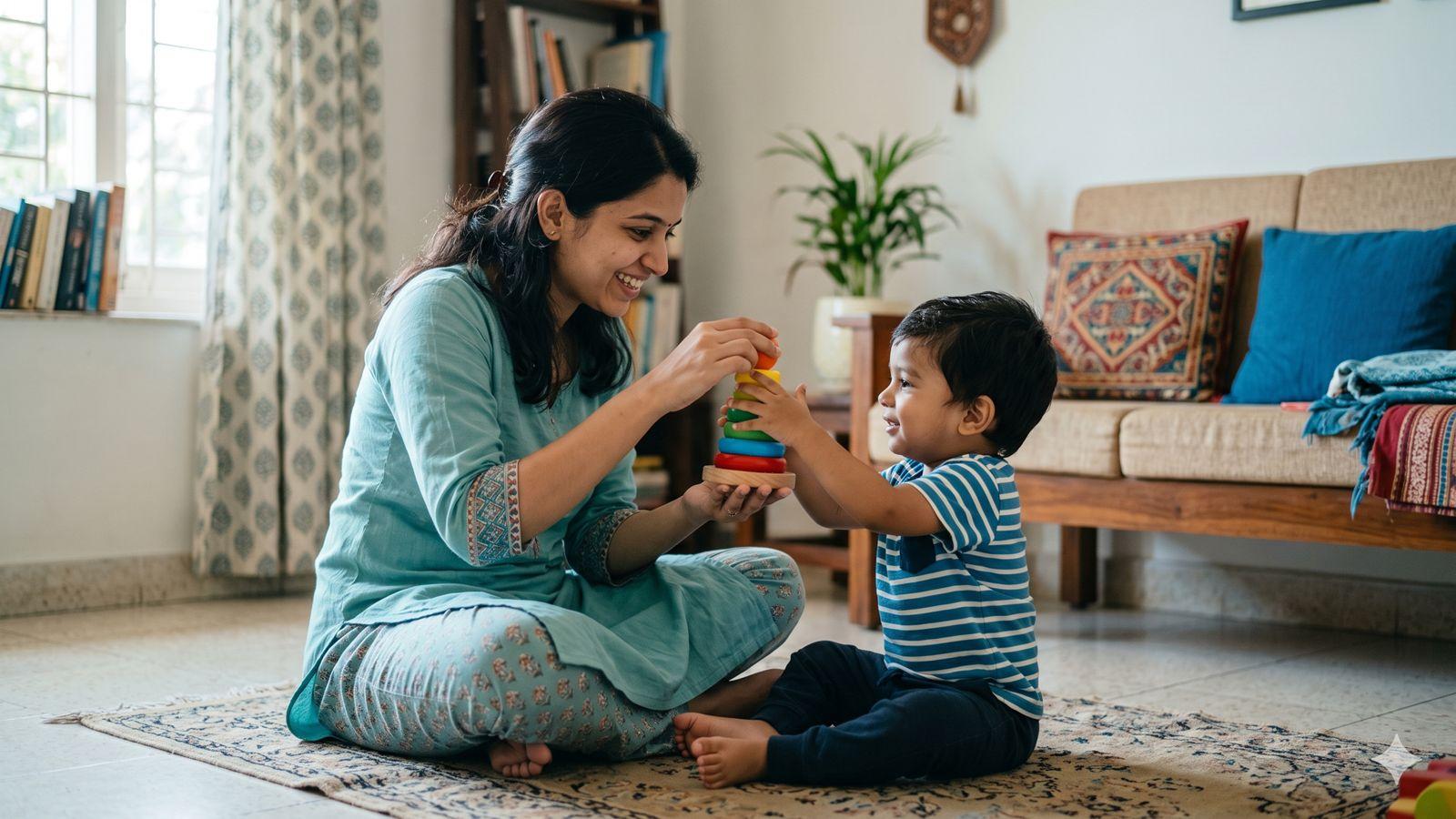
If you have found your way to this page, you are probably carrying a quiet worry. Maybe your two-year-old doesn't turn when you call their name. Maybe they were saying a few words and then went silent. Maybe a relative said "boys talk late, don't worry" — but something still feels off.
First, take a breath. Noticing early is not a failure. It is the single most useful thing a parent can do, and it is exactly what gives your child the best possible start.
This guide walks you through the early signs of autism in toddlers, written for Indian families — where joint families, multiple home languages, and "wait and watch" advice all shape how early signs get noticed (or missed).
This article is for awareness, not diagnosis. Only a qualified developmental paediatrician or child psychologist can diagnose autism. If anything here sounds familiar, treat it as a reason to get a professional assessment — not a verdict.
Let's understand autism in simple words
Autism (Autism Spectrum Disorder, or ASD) is a difference in how a child's brain develops — mainly affecting how they communicate, interact with others, and respond to the world around them. It is a spectrum: two autistic children can look completely different. One may not speak at all; another may speak in full sentences but struggle to make friends.
Autism is not caused by bad parenting, screen time alone, vaccines, or anything you did or didn't do. It is a developmental difference a child is born with. What you can change is how early they get support.
So what should you actually look for?
Most signs appear before a child turns two. Here is what therapists actually look for, grouped by area.
1. Communication and language
Not responding to their name by 12 months — even when they can clearly hear other sounds.
Delayed speech — no single words by 16 months, or no two-word phrases (like "want milk") by 24 months.
Losing words or skills they previously had. A child who said "mama" and "papa" and then stopped is a sign to take seriously.
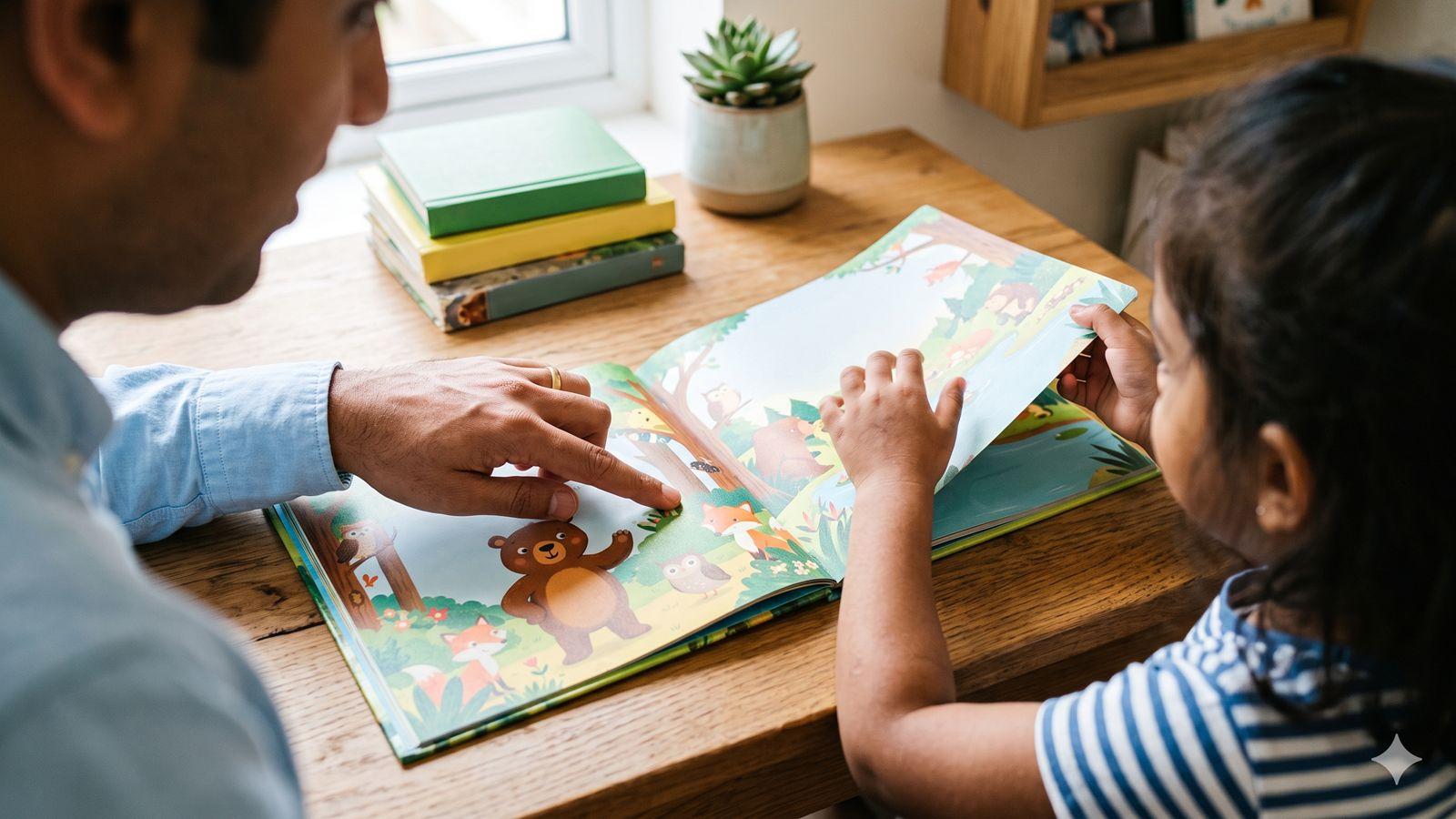
Not pointing to show you things ("look at that dog!") by 14–16 months.
Repeating words or phrases over and over (this is called echolalia) — for example, repeating a line from a cartoon instead of answering you.
2. Social connection
Limited eye contact — they don't look at you during feeding, play, or talking.
Not smiling back at you by 6 months, or not sharing big smiles and joyful expressions.
Not showing things to you — not bringing a toy over just to share it.
Preferring to play alone, and seeming "in their own world".
Not following a point — when you point at something, they look at your finger, not where you're pointing.
3. Behaviour and play
Repetitive movements — hand-flapping, rocking, spinning, or walking on tiptoes a lot.
Lining up toys or playing with one part of a toy (spinning the wheels of a car) instead of playing pretend.
Strong need for sameness — big distress if a routine changes or an object is moved.
Intense reactions to sound, light, textures, or food — covering ears at normal sounds, refusing certain clothes, or eating only a few foods.
Fixated interests — being unusually focused on fans, lights, numbers, or a single topic.
A quick checklist you can try today
If your child is between 16 and 30 months, ask yourself these questions honestly:
Does your child point at things to show interest? (e.g. pointing at a plane in the sky)
Does your child look you in the eye?
Does your child respond when you call their name?
Does your child bring objects over to show you?
Does your child play "pretend" — like feeding a doll or talking on a toy phone?
Does your child copy you — clapping when you clap, waving bye-bye?
If you point at something across the room, does your child look at it?
If you answered "no" or "rarely" to two or more of these, please book a developmental assessment. This is not a diagnosis — it is simply a strong reason to get a professional opinion. (Clinicians use a longer, validated version of this called the M-CHAT-R.)
"But everyone says to wait and watch"
In many Indian families, the first response to a worried parent is reassurance: "He's a boy, boys are slow." "My nephew also spoke late and he's fine now." "Don't compare, every child is different."
These come from love. But here is the science: the toddler brain is at its most flexible in the first few years. Therapy started at age 2 works far better than the same therapy started at age 4 or 5. Every month of "wait and watch" is a month of a powerful window quietly closing.
Waiting does not make autism go away. Acting early changes the outcome. If you are unsure, the safest choice is always to get assessed — not to wait.
What about two languages at home?
Many Indian children grow up hearing Hindi, English, and a regional language all at once. Parents often worry this causes speech delay. It doesn't. Bilingual and multilingual children are not delayed by hearing multiple languages — and being multilingual does not cause autism, nor does it hide it.
A child with a true speech delay will be delayed in every language they hear. So don't let "maybe it's just the two languages" become a reason to wait.
Does this sound familiar? Here's what to do next
Write down what you've noticed. Specific examples and rough ages help the clinician enormously.
Book a developmental assessment with a developmental paediatrician, child psychologist, or a speech-language pathologist (BASLP). A general paediatrician can refer you.
Get a hearing test. Some speech delays are caused by hearing problems — this is important to rule out first.
Start early support, even before a final label. Speech therapy, occupational therapy, and parent-led play don't require a confirmed diagnosis to begin helping.
You are already doing the right thing
The fact that you read this far means you are paying attention — and attentive parents are exactly what children need. Whatever the assessment shows, your child has the same bright future they always did. Early support simply helps them get there.
If you'd like help finding a qualified therapist near you, or want to understand what an assessment involves, SpotKare can guide you through the next step.